

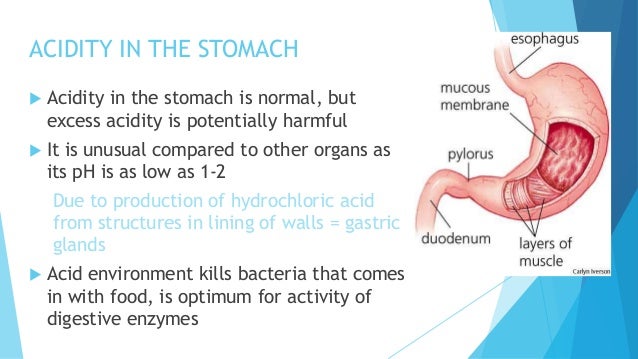
Although stomach acid supports food digestion, when it backs up, it irritates the esophagus. The lower esophageal sphincter, a circular band of muscle at the base of your throat, contracts to prevent food and stomach acid from entering the esophagus.
A select few essential meals may help balance acid and reduce discomfort. Try include them in your diet and avoid those that cause reflux.
foods to reduce acidity
Low-acid foods like bananas might ease indigestion and heartburn. They're abundant with potassium and natural soluble fiber, which help to create the liner of the esophagus and stomach. The fruit is also a good way to obtain magnesium, which lessens acid reflux symptoms by neutralizing acid output. Being that they are simple to digest and provide the body the nutrients it needs, bananas certainly are a fantastic option for a nutritious breakfast or snack.
Another nutrient-rich meal that might lessen acid reflux disorder is brown rice. It is an excellent source of iron, B vitamins, and fiber. Refined carbs, which might increase acid production and induce heartburn, certainly are a better alternative.
A low-acid meal like cucumber helps reduce acid reflux by hydrating the digestive tract. Additionally, it is just a wonderful way to obtain potassium and vitamin C, both which assist the body's acid levels stay static in check. You might consume cucumber fresh, in juice, or with the addition of it to salads.
Melons certainly are a low-acid meal that may aid with acid reflux, much like bananas. Magnesium is loaded in melons including watermelon, cantaloupe, and honeydew, which neutralizes stomach acid output and eases outward indications of acid reflux.
Oatmeal
Oatmeal's soluble fiber helps to prevent gastric acid from irritating the linings of the esophagus, and the oatmeal's water aids in flushing out extra acid. Additionally, a mix of soluble and insoluble fiber helps keep you full. This can stop you from overeating, which might make your acid reflux disorder symptoms worse.
Food digestion requires gastric acid, but this acid should remain in your stomach rather than irritate your esophagus. The low esophageal sphincter, a circular band of muscle at the base of one's throat, contracts to stop this from happening and prevents stomach contents from ascending into your esophagus. Unfortunately, certain meals cause heartburn by causing this constriction. This matter may be exacerbated by fatty meals like bacon and beef, chocolate, fried dishes, and dairy products made with dairy. Vinaigrette salad dressings, pineapple, tomatoes, and tomato-based goods are just a few examples of foods and drinks that might make it worse.
Regular heartburn may be a symptom of more significant medical issues, such as Gastroesophageal Reflux Disease (GERD). In the event that you get acid reflux more often than twice weekly, make an appointment with a doctor. To work with you together with your symptoms, our digestive specialists might provide a comprehensive variety of exams and treatments.
Milk and Bread
Although stomach acid is essential for food digestion, when it backs up into your esophagus, it could irritate it. The low esophageal sphincter, a ring-shaped muscle at the base of one's neck, functions as a valve to avoid gastric acid from entering your esophagus. However, certain behaviors or meals may occasionally create heartburn, evoking the acid to ascend into the esophagus and produce discomfort and burning in your chest.
Eat less acidic stuff like oatmeal and bananas if you often have heartburn. While full fat milk could make your illness worse, go with skim or nonfat varieties in order to get relief from it. Milk can help alleviate your pain and offer quick rest from heartburn because it serves as a buffer in the middle of your stomach and the acid.
Another option is to consume leafy vegetables and other fiber-rich complex carbs like rice or couscous. Instead of boiling or steaming foods to settle stomach acid , try roasting them to improve their flavor and lower the likelihood that they could cause acid reflux disorder. Numerous herbs may be used to these recipes as well, given that they have low acid content and may improve the tastes. Acidic salad dressings ought to be avoided, however, given that they could make your symptoms worse. Additionally, avoid acidic foods like berries and citric fruits.
foods to reduce acidity is an unpleasant and even painful condition brought on by gastric acid that refluxes in to the esophagus. By eating alkaline, fibrous, and anti-inflammatory natural foods like bananas, oats, ginger, vegetables, milk, and water, mild acidity may be reversed. In lieu of using over-the-counter acid reflux medications, these foods certainly are a healthy substitute.
Ginger, a fragrant root that calms the stomach and lessens indigestion, is a natural anti-inflammatory. Since it lessens the inflammation that causes heartburn, in addition, it has calming effects on the esophagus. Ginger may be consumed raw or used to generate tea by steeping in warm water. Additionally, soups and stir-fries could use it.
Apple cider vinegar, which may be blended with water and consumed to immediately reduce acidity, is another natural antacid. It is crucial to keep in mind that consuming this beverage excessively may actually cause indigestion, therefore it is necessary to use moderation.
To balance the stomach acid, you may also try consuming a little glass of unsweetened coconut water. The potassium component in coconut water converts the body's acidic pH level to basic, and it is also thought to lessen inflammation due to stomach acids. Chewing foods to reduce stomach acid after meals is another natural cure because it increases salivation, which helps to buffer gastric acid and keep it from contacting the esophagus. To guard the teeth, it's essential to choose sugar-free gum, nevertheless.